




Biostimulant Selection Matrix: Match Crop Stage, Field Constraint, and Application Route
Sep.16.2026
Table of Content
[Hide]
The right biostimulant is not the product with the longest list of benefits. It is the product whose function, formulation, timing, and application route match the field's main constraint. Two farms growing the same crop may need different programs because their root condition, water quality, soil fertility, climate, and crop stage are different.
A practical selection process starts with the problem and the desired outcome. It then narrows the product category, verifies compatibility and registration, and defines how success will be measured. This prevents ingredient-led purchasing and makes local trials more informative.
Ask Five Questions Before Choosing a Product
1. What is the primary objective: establishment, nutrient-use efficiency, abiotic-stress tolerance, crop quality, recovery, or direct pest and disease control?
2. What is the main limiting factor, and has it been diagnosed rather than inferred from a general symptom?
3. Where must the product act: seed, root zone, leaf surface, plant tissue, or irrigation system?
4. When is the crop able to respond, and when will the stress or demand occur?
5. Which measurement will show value: root development, stand uniformity, nutrient status, stress response, flower or fruit retention, yield, or quality?
Use a Crop-Stage Selection Matrix
Crop Stage or Situation | Primary Objective | Product Direction | Route and Key Indicator |
Seedling and transplanting | Fast, uniform root establishment | AMF or other root-zone support where the crop and conditions fit | Seed, nursery, or root-zone placement; new roots and survival |
Vegetative growth | Nutrient-use efficiency and balanced canopy development | Amino-acid, peptide, organic-acid, microbial, or root-support formulation | Foliar or root route; tissue status, vigor, and uniformity |
Flowering and fruit set | Support reproductive performance without excessive vegetative growth | Stage-specific plant-performance formulation | Label-led foliar or root use; flower retention and fruit set |
Predictable heat, drought, or salinity | Prepare and maintain function | Abiotic-stress support formulation | Before or around stress; canopy and recovery indicators |
After moderate stress | Support viable new growth and remaining yield potential | Recovery or root-support formulation | After conditions improve; new roots, leaves, and retention |
Nematode or disease pressure | Direct control plus root-zone support | Registered control tool and a separately defined support product | Target and root zone; population, symptoms, roots, and yield |
Do Not Confuse Product Categories
Microbial and non-microbial biostimulants are not interchangeable. Living inoculants depend on viability, root or rhizosphere contact, and compatible field conditions. Non-microbial products may act through amino acids, peptides, oligosaccharides, organic acids, minerals, or plant-regulation pathways and may have different storage and tank-mix requirements.
Plant growth regulators and products making direct pest or disease claims may follow different regulatory pathways from biostimulants. A product should be selected and marketed according to its actual composition, evidence, intended function, and local registration, not placed under a convenient category for every market.
Map CHICO Products by Function, Not by One Label
Within CHICO's broader biological and plant-performance portfolio, ARPHA GOLD® is an AMF option for programs where early root contact and colonization are realistic. CLIMASHIELD® combines amino acids, GABA, alginate oligosaccharides, and trace elements for crop-vigor and abiotic-stress programs.
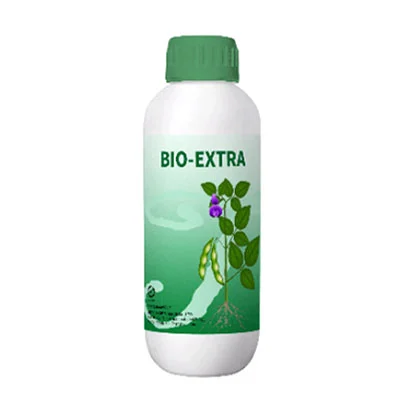
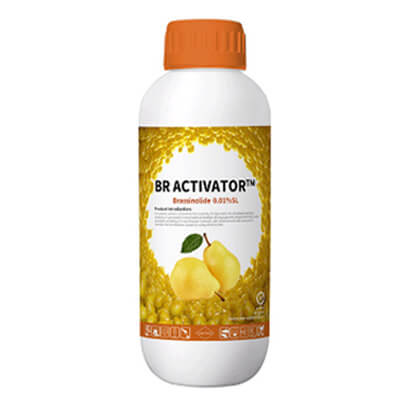
BIO EXTRA® integrates 0.0016% brassinolide with peptides and organic acids, while BR ACTIVATOR® is a 0.01% brassinolide plant growth regulator. BIO-CUT® and NEMAFORCE® belong in a nematode-management discussion rather than being treated as general-purpose crop-stage biostimulants.
This function-first mapping prevents one product from being recommended for every problem and gives distributors a clearer basis for portfolio positioning, registration, training, and field demonstration.
Design the Local Trial Before the Recommendation
Define one primary objective and a small set of measurements before application. Use a representative field, the recommended rate and timing, and a local standard or untreated comparison where practical. Record soil and water conditions, crop stage, weather, fertilizer and crop-protection inputs, and any deviations from the protocol.
A trial designed around root establishment should not be judged only by leaf color after a few days. A stress program should include the stress event and recovery window. A reproductive-stage program should follow fruit set, retention, yield, and quality. Matching the measurement to the objective is as important as matching the product to the crop.
Conclusion
Biostimulant selection becomes more reliable when the sequence is problem first, function second, formulation third, and brand fourth. Match the crop stage, field constraint, application route, and measurable objective before comparing specific products.
To build a CHICO selection matrix for a crop or market, review the biostimulant portfolio and contact CHICO with the crop, stage, field conditions, target outcome, and current program.
FAQs
Can one biostimulant be used throughout the crop cycle?
Sometimes, but one product may not be the best fit for every stage. Establishment, reproductive growth, stress preparation, and recovery have different priorities.
Are microbial and non-microbial biostimulants interchangeable?
No. They differ in active components, biological requirements, handling, placement, compatibility, and evidence. Choose by function and use pattern.
How can I tell whether a biostimulant program is working?
Define a measurable objective before application and use a representative comparison. Select indicators that match the objective, such as root development, nutrient status, crop uniformity, stress recovery, yield, or quality.
References
Related Agrochemical Products
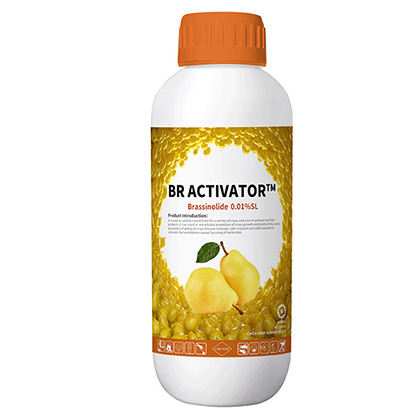
BR ACTIVATOR® Brassinolide 0.01%SL, 0.01%SP Plant Growth Regulator
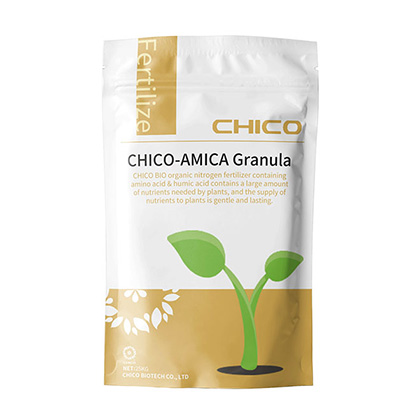
CHICO AMICA® Amino Acid Granula Organic Fertilizer
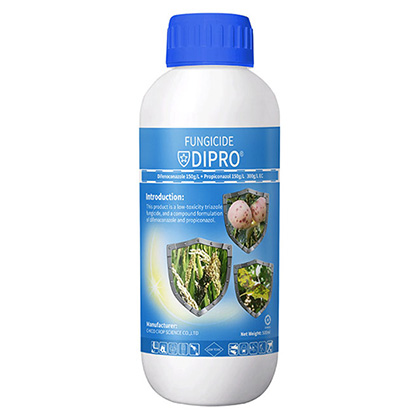
DIPRO® Difenoconazole 150g/L+Propiconazole 150g/L 300g/L EC Fungicide
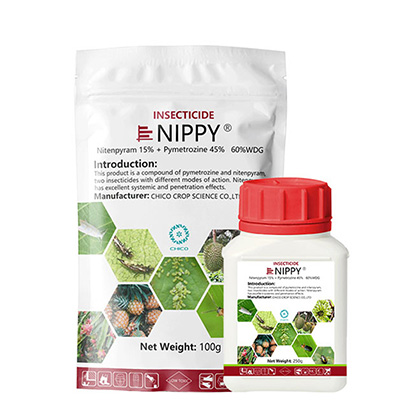
NIPPY® Nitenpyram 20%+Pymetrozine 60% 80%WP Insecticide
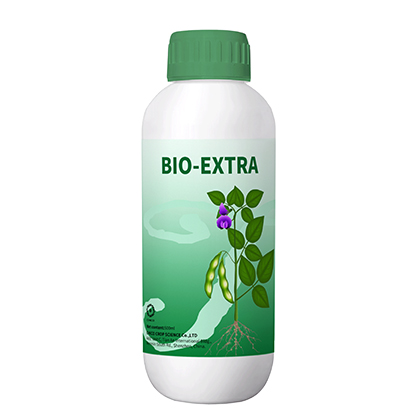
BIO EXTRA® Brassinolide + Bio Organic Fertilizer
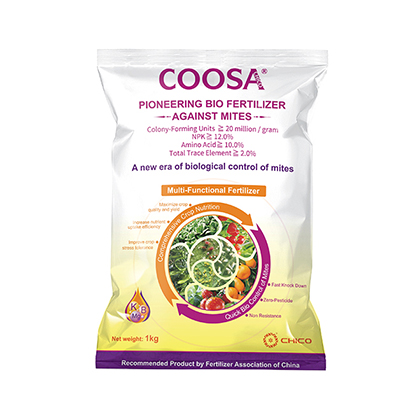
COOSA® -Bio Amino Acid Fertilizer Against Mites
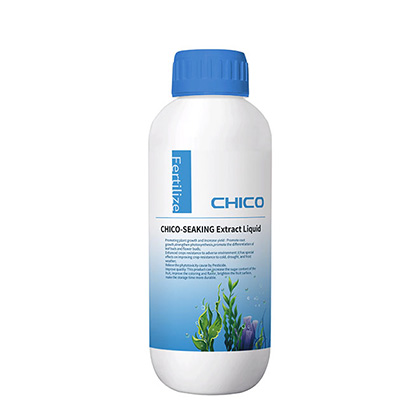
CHICO SEAKING® Liquid Seaweed Extract Organic Fertilizer
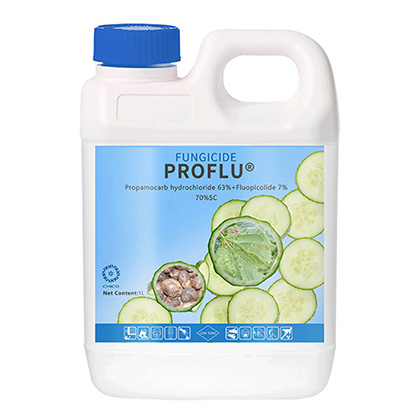
PROFLU® Propamocarb Hydrochloride 63%+Fluopicolide 7% 70% SC Fungicide
Other Argo Chemical News
-
-
 Aug.22.2023 Company NewsCHICO 10th Anniversary Celebration
 -
-
 Oct.18.2024 Company NewsCHICO CROP SOLUTION - Corn
 -

-
