




AMF Inoculants in the Field: 6 Factors That Determine Root Colonization
Sep.20.2026
Table of Content
[Hide]
An arbuscular mycorrhizal fungi (AMF) product creates agronomic value only after viable propagules establish a functional relationship with living roots. Application is therefore the beginning of the process, not the result. Root colonization depends on product quality, host crop, placement, soil moisture and aeration, fertility, crop-protection inputs, and timing.
For growers and distributors, this changes how an AMF inoculant should be evaluated. The most important question is not only how many spores or propagules are declared, but whether the product and field program give them a realistic opportunity to contact compatible young roots and establish.
How AMF Support Plant Nutrition
AMF colonize compatible plant roots and develop hyphae that extend into the surrounding soil. This network can explore soil beyond the immediate root depletion zone and contribute to the uptake of phosphorus and other relatively immobile nutrients. The plant supplies carbon to the fungus in return.
Potential benefits vary with crop, fungal species or strain, soil fertility, water status, and management. AMF should not be described as a replacement for every fertilizer input. The goal is to improve the efficiency and resilience of a balanced program where the symbiosis can function.
Six Factors That Influence Root Colonization
Factor | More Favorable Condition | Common Limitation | Practical Response |
1. Inoculant quality | Viable, stable propagules with a clear specification | Poor storage or an unclear test method | Verify specification, shelf life, and storage |
2. Host crop | A crop known to form AMF associations | Poor or non-host crop; many Brassicaceae are weak hosts or non-hosts | Confirm host suitability before recommending |
3. Root contact | Product placed close to active young roots | Surface placement far from feeder roots | Use seed, nursery, planting-hole, band, or root-zone placement |
4. Moisture and aeration | Moist, aerated soil that supports roots | Prolonged drought, waterlogging, or severe compaction | Coordinate irrigation and correct root-zone constraints |
5. Fertility | Balanced nutrition with a reason for the symbiosis | Excessive readily available phosphorus | Review phosphorus status and avoid automatic over-application |
6. Program compatibility | Early timing and verified compatible inputs | Unconfirmed fungicides, copper exposure, or disruptive practices | Separate timing or obtain product-specific guidance |
Build the Application Around Establishment
Early root development is often the most practical window because young roots are actively exploring the soil and can contact the inoculant. Seed treatment, nursery incorporation, planting-hole placement, transplant application, or a band close to the future root zone may all be relevant, depending on the formulation and crop.
Applying an inoculant to dry soil far from active roots and then expecting an emergency response is a weak strategy. AMF are living symbionts. They need a compatible host, suitable moisture and aeration, and time to establish before peak nutrient demand or severe stress.
Manage Phosphorus and Fungicide Exposure Carefully
High readily available phosphorus can reduce the plant's investment in the mycorrhizal relationship and suppress colonization in many crop-AMF systems. This does not mean phosphorus should be withheld. It means the baseline soil test and fertility program should be considered when designing an AMF trial.
Fungicide effects are product- and timing-specific. Some active ingredients or in-furrow exposures may interfere with AMF, while other programs may be compatible. A generic statement that all fungicides are safe or unsafe is not useful. Confirm the exact combination and separate applications when evidence is missing.
The ARPHA GOLD® Application Fit
CHICO's ARPHA GOLD® is positioned as an AMF biofertilizer and biological soil conditioner. CHICO currently offers powder and granular forms: the powder is suited to seed treatment, while the granular form is suited to greenhouse and root-zone placement programs.
Current guidance emphasizes placement close to the roots, watering after soil placement, and avoiding mixtures with copper-based fungicides. The selected form and rate should follow the crop-specific technical recommendation and local registration rather than a generic AMF recipe.
Measure Establishment and Agronomic Value Separately
Where resources allow, root staining or another colonization assessment can confirm whether the biological process occurred. Agronomic measurements should then match the commercial objective: early root growth, tissue phosphorus or other nutrient status, stand uniformity, water-stress response, yield, or quality.
Use a representative treated and untreated comparison and record the soil test, fertilizer program, placement, irrigation, crop-protection inputs, and sampling time. Without that context, it is difficult to distinguish an inoculant problem from a field condition that prevented colonization.
Conclusion
AMF performance starts with colonization. Product quality matters, but so do host compatibility, root contact, moisture, aeration, phosphorus status, crop-protection inputs, and timing. Managing those six factors gives an inoculant a fair trial and makes the result easier to interpret.
For powder or granular ARPHA GOLD® recommendations, contact CHICO with the crop, planting system, soil test, fertilizer program, irrigation method, and planned crop-protection inputs.
FAQs
When is the best time to apply an AMF inoculant?
Usually during seedling production, seeding, transplanting, or early root development, when the inoculant can contact compatible young roots. Follow the formulation-specific directions.
Can AMF be applied to mature crops?
Potentially, but placement becomes more difficult. The inoculant must reach active feeder roots under suitable conditions; surface application far from roots is unlikely to be efficient.
Does high phosphorus affect AMF colonization?
It can. High readily available phosphorus often reduces the plant's incentive to form the symbiosis. Use soil and tissue information to balance fertility rather than eliminating phosphorus without evidence.
References
Related Agrochemical Products
CAMBRI® Chlorfenapyr 24%SC Insecticide
NIPPY® Nitenpyram 20%+Pymetrozine 60% 80%WP Insecticide

DITO® Dinotefuran 10% + Tolfenpyrad 15% SC Insecticide
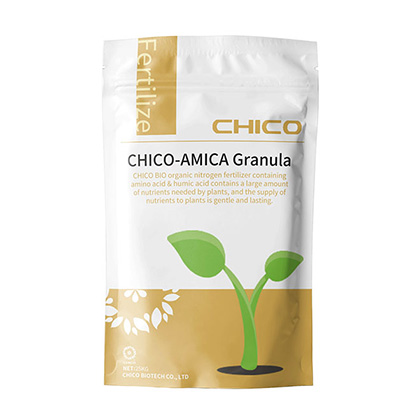
CHICO AMICA® Amino Acid Granula Organic Fertilizer
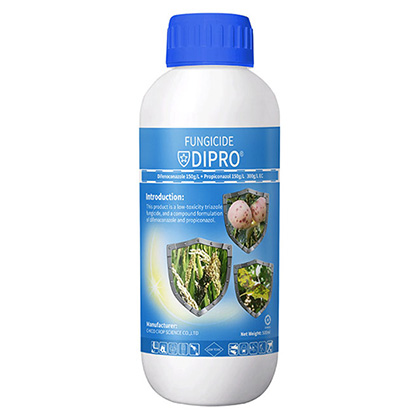
DIPRO® Difenoconazole 150g/L+Propiconazole 150g/L 300g/L EC Fungicide
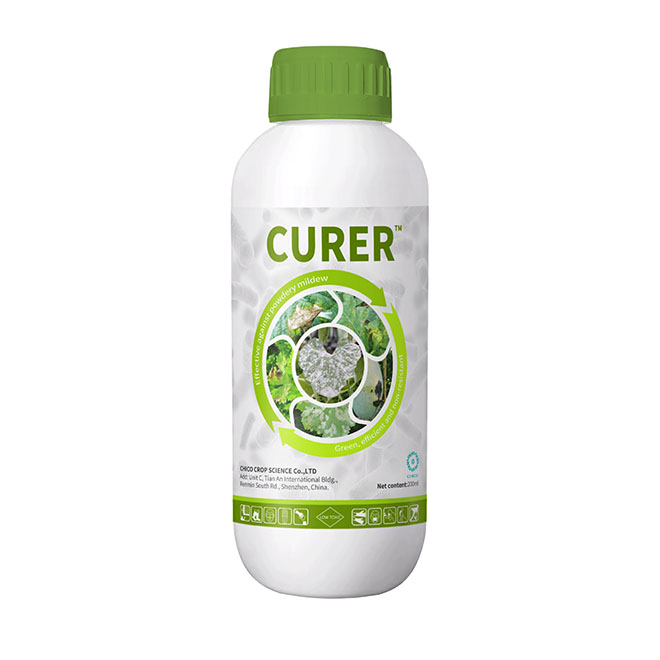
CURER® -Bio Fertilizer for Fungal Diseases

VIHITOR® Moroxydine hydrochloride 10 % + Copper acetate 10 % WP Fungicide
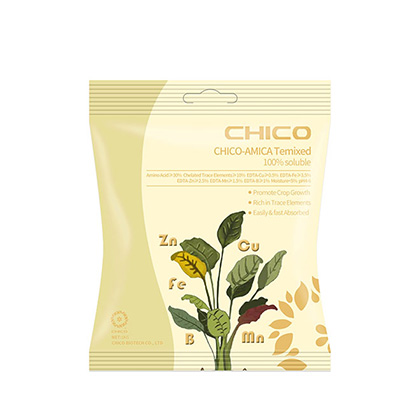
CHICO AMICA® Amino Acid TE Mixed Organic Fertilizer
Other Argo Chemical News
-
-

-
-
-

-
Aug.08.2024 BlogTypes and Advantages of Amino Acid Fertilizer