Fungal diseases remain one of the most persistent challenges in agriculture, especially in high-value crops such as grapes, tomatoes, cucurbits, and leafy vegetables. Among these threats, downy mildew is particularly destructive due to its rapid spread under humid and warm conditions.
In recent years, cyazofamid has become an important active ingredient in modern plant protection strategies. Known for its strong activity against oomycete pathogens, it is widely used in integrated disease management programs to protect crop yield and quality.
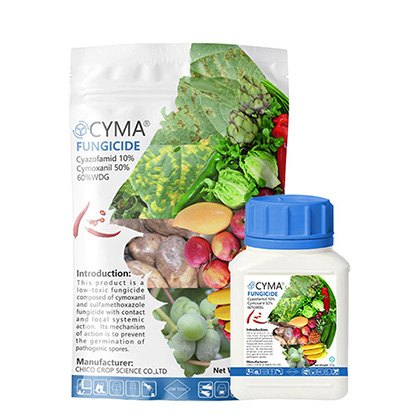
A cyazofamid fungicide offers growers a targeted approach to controlling downy mildew while supporting resistance management strategies in the field.
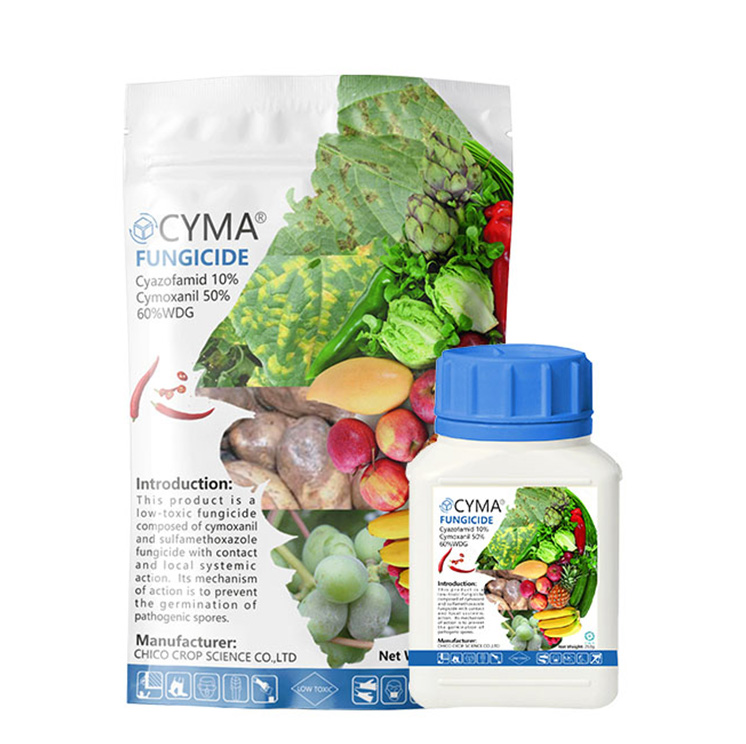
Cyazofamid Fungicide Mode of Action and Disease Control Performance
Cyazofamid fungicide belongs to the QiI (quinone inside inhibitor) class of fungicides. It works by inhibiting mitochondrial respiration in oomycete pathogens, disrupting their energy production and stopping their growth.
This specific mode of action makes it particularly effective against diseases such as:
Downy mildew (Plasmopara spp., Peronospora spp.)
Late blight (Phytophthora infestans)
Other oomycete-related infections
Key Functional Advantages
Strong preventive activity
Rapid suppression of pathogen development
Target-specific action against oomycetes
Effective resistance management tool
Because it acts at a specific biochemical site, cyazofamid provides high efficacy while minimizing unnecessary impact on non-target organisms when used correctly.
Cyazofamid Fungicide in Downy Mildew Resistance Management
One of the biggest concerns in crop protection today is fungicide resistance. Pathogens such as downy mildew can quickly adapt to repeated use of single-mode-of-action chemicals.
Why Rotation Matters
A cyazofamid fungicide is often recommended as part of a rotation program because:
It belongs to a different FRAC group (FRAC 21)
It helps reduce selection pressure on pathogens
It supports long-term disease control effectiveness
Integrated Disease Management Approach
Effective use of cyazofamid typically includes:
Rotating with other fungicide classes
Combining with cultural practices (crop spacing, ventilation)
Monitoring environmental conditions
Applying at early infection stages
This integrated approach helps maintain long-term field performance and reduces resistance risk.
Cyazofamid Fungicide Applications Across Key Crops
The use of cyazofamid fungicide is especially common in crops where downy mildew pressure is high and can severely affect market value.
Vegetable Crops
Cucumbers
Lettuce
Spinach
Onions
These crops are highly sensitive to foliar diseases, and early protection is essential.
Fruit Crops
High-Value Commercial Production
In intensive farming systems, consistent disease control is critical for maintaining yield quality and export standards.
Cyazofamid Fungicide vs Other Fungicide Options
To better understand its role, it is useful to compare cyazofamid fungicide with other common disease control options.
| Feature | Cyazofamid Fungicide | Broad-Spectrum Fungicides |
|---|
| Target specificity | High (oomycetes only) | Broad |
| Resistance risk management | Strong when rotated | Moderate to high |
| Preventive action | Excellent | Varies |
| Crop safety | Generally good when used properly | Varies |
| Role in IPM programs | Key component | Supportive role |
Unlike broad-spectrum fungicides, cyazofamid is highly specialized, making it particularly valuable in precision crop protection programs.
Cyazofamid Fungicide Best Practices for Effective Use
To maximize performance, proper application strategies are essential.
Recommended Practices
Apply preventively before disease outbreak
Ensure full leaf coverage
Follow label instructions for dosage and timing
Rotate with other fungicide modes of action
Avoid repeated continuous applications
Environmental Considerations
Disease development is strongly influenced by humidity and temperature. Monitoring weather conditions can help optimize application timing and improve effectiveness.
Conclusion
As agriculture continues to face increasing disease pressure and resistance challenges, targeted solutions like cyazofamid play a crucial role in modern crop protection strategies. A well-managed cyazofamid fungicide program provides effective control of downy mildew and other oomycete diseases while supporting resistance management and sustainable farming practices.
For growers seeking reliable protection in high-pressure disease environments, cyazofamid remains a valuable tool in integrated disease management systems.
FAQs
1. What is cyazofamid?
Cyazofamid is a fungicidal active ingredient used to control oomycete diseases such as downy mildew and late blight.
2. How does cyazofamid fungicide work?
It inhibits mitochondrial respiration in pathogens, stopping their energy production and growth.
3. Which diseases does cyazofamid control?
It is mainly effective against downy mildew and other oomycete-related plant diseases.
4. Why is cyazofamid used in resistance management?
Because it has a specific mode of action (FRAC 21), it helps reduce resistance buildup when rotated with other fungicides.
5. In which crops is cyazofamid commonly used?
It is widely used in grapes, cucumbers, lettuce, spinach, and other vegetable and fruit crops.
References
1.Food and Agriculture Organization (FAO) – Crop Protection and Plant Disease Management
https://www.fao.org
2.United States Environmental Protection Agency (EPA) – Fungicide Registration and Mode of Action Information
https://www.epa.gov
3.European Food Safety Authority (EFSA) – Pesticide Risk Assessment Reports
https://www.efsa.europa.eu
4.Encyclopaedia Britannica – Fungicide Definition and Agricultural Use
https://www.britannica.com/science/fungicide
5.Michigan State University Extension – Downy Mildew Management in Crops
https://www.canr.msu.edu