



What Is Agriculture Insecticide and Why Is It Critical for Modern Crop Protection?
Mar.29.2026
Table of Content
[Hide]
Agriculture insecticide is a category of crop protection solutions designed to control harmful insect populations, protect plant health, and ensure stable crop yields. It is critical for modern agriculture because it prevents pest damage, reduces economic losses, and supports consistent food production across diverse farming systems.
Insect pressure remains one of the most persistent challenges in global agriculture. From sap-sucking pests that weaken plant vitality to leaf-eating insects that directly reduce photosynthetic capacity, pest infestations can rapidly compromise both yield and crop quality. Without effective intervention, even well-managed farms can experience significant losses.
As agricultural systems intensify and climate variability expands pest habitats, the role of agriculture insecticide becomes increasingly important. Today’s insect control strategies are no longer limited to simple elimination. Instead, they focus on precision, efficiency, and integration within broader crop management systems.
Understanding the Role of Agriculture Insecticide in Crop Systems
Agriculture insecticide products are designed to target specific insect species while minimizing unintended effects on crops and surrounding ecosystems. Their role extends beyond pest elimination to include protecting plant physiology and maintaining yield potential.
Preventing Direct Crop Damage
Insects can damage crops in several ways:
Feeding on leaves, reducing photosynthesis
Boring into stems, weakening plant structure
Attacking roots, limiting nutrient uptake
Feeding on fruits, reducing market value
Effective insecticide products interrupt these damage pathways before they escalate into significant yield loss.
Protecting Plant Energy Allocation
When crops are attacked by insects, they redirect energy toward defense responses rather than growth. This results in:
Reduced biomass accumulation
Lower flowering rates
Poor fruit or grain development
By controlling pest populations early, agriculture insecticide solutions help plants maintain normal growth patterns.
Supporting Crop Quality Standards
In high-value crops such as vegetables and fruits, even minor insect damage can reduce market acceptance. Cosmetic damage, contamination, and uneven development can all impact commercial value.
Consistent pest control ensures that crops meet quality expectations across supply chains.
Types of Insecticide Products Used in Agriculture
Modern insecticide products are diverse and tailored to specific pest behaviors, crop types, and environmental conditions.
Contact Insecticides
Contact-based solutions act when insects come into direct contact with treated plant surfaces. These are often used for:
Rapid knockdown of active infestations
Surface-feeding pests
Early-stage pest control
They are particularly useful in situations where immediate pest reduction is required.
Systemic Insecticides
Systemic agriculture insecticide products are absorbed by the plant and transported through its tissues. When insects feed on the plant, they ingest the active ingredient.
Advantages include:
Longer residual activity
Protection of new growth
Effective control of hidden pests
Ingestion-Based Insecticides
Some insecticide products are designed to act after ingestion. These are especially effective against:
Leaf-chewing insects
Caterpillars
Larval stages of pests
They allow for targeted pest control with reduced need for repeated applications.
Chemical Insecticide Formulations
Chemical insecticide solutions remain widely used due to their effectiveness and reliability. Modern formulations are designed with improved selectivity and reduced environmental persistence compared to older generations.
These products play a key role in integrated pest management programs where precise application timing is essential, forming an important part of broader farming pesticides strategies.
Key Factors When Selecting Agriculture Insecticide Products
Choosing the right insecticide involves more than identifying the pest. Several agronomic factors influence effectiveness.
Pest Species and Life Cycle
Different pests require different control strategies. For example:
Sap-sucking insects require systemic solutions
Chewing insects respond better to ingestion-based products
Soil pests may require targeted soil treatments
Understanding the pest’s life cycle helps determine optimal application timing.
Crop Type and Growth Stage
Certain crops are more sensitive to pest damage during specific growth stages. For example:
Flowering stage in fruit crops
Early vegetative stage in vegetables
Grain filling stage in cereals
Applying insecticide products at the right stage ensures maximum protection.
Environmental Conditions
Temperature, humidity, and rainfall can influence insect activity and product performance. In regions with frequent rainfall, residual activity becomes particularly important.
Environmental awareness helps optimize application schedules and improve results.
Integration with Modern Crop Management Practices
Agriculture insecticide solutions are most effective when integrated into broader crop management systems.
Integrated Pest Management (IPM)
IPM combines multiple strategies to control pests sustainably, including:
Monitoring pest populations
Using biological control agents
Applying insecticide products when thresholds are reached
This approach reduces unnecessary applications and improves long-term effectiveness.
Resistance Management
Overuse of a single type of insecticide can lead to resistance development in pest populations. Rotating different modes of action helps maintain effectiveness over time.
Compatibility with Other Inputs
Insecticide products are often applied alongside fertilizers, fungicides, or plant growth regulators. Ensuring compatibility prevents negative interactions and improves overall crop performance.
Benefits of Using Agriculture Insecticide Products
When used correctly, agriculture insecticide provides multiple agronomic and economic benefits.
Yield Protection
Preventing pest damage ensures that crops reach their full production potential.
Improved Crop Uniformity
Effective pest control leads to more consistent plant growth, improving harvest quality.
Reduced Economic Losses
Minimizing pest-related damage reduces the need for corrective measures and protects farm profitability.
Support for Food Security
Reliable pest control contributes to stable food production, especially in regions vulnerable to pest outbreaks.
Common Challenges and Considerations
While insecticide products are essential, their use requires careful management.
Environmental Responsibility
Proper application techniques help minimize off-target effects and protect beneficial organisms.
Application Timing
Applying insecticides too early or too late can reduce effectiveness. Monitoring pest populations is critical.
Product Selection
Choosing the correct formulation for specific conditions ensures optimal results.
FAQs About Agriculture Insecticide
What is agriculture insecticide used for?
It is used to control insect pests that damage crops, ensuring healthy plant growth and stable yields.
Are insecticide products safe for crops?
When used according to guidelines, they are designed to target pests while minimizing crop impact.
What is the difference between systemic and contact insecticides?
Systemic insecticides are absorbed by the plant, while contact insecticides act on direct exposure.
How often should insecticides be applied?
Application frequency depends on pest pressure, crop stage, and environmental conditions.
Can insecticides be combined with other agricultural inputs?
Yes, but compatibility should always be verified before mixing.
Conclusion
Agriculture insecticide remains a cornerstone of modern crop protection. As pest pressure increases and farming systems become more complex, the need for reliable and effective insect control continues to grow.
By selecting the right insecticide products, applying them at the correct time, and integrating them into comprehensive crop management strategies, growers can protect yields, maintain crop quality, and support long-term agricultural sustainability.
References
Food and Agriculture Organization (FAO). Integrated Pest Management Guidelines.
https://www.fao.org/agriculture/crops/thematic-sitemap/theme/pests/ipm/en/
United States Environmental Protection Agency (EPA). Pesticides and Pest Management.
https://www.epa.gov/pesticides
United States Department of Agriculture (USDA). Crop Protection and Pest Management.
https://www.usda.gov/
National Pesticide Information Center (NPIC). Insecticide Information and Safety.
http://npic.orst.edu/
International Rice Research Institute (IRRI). Pest Management in Rice Systems.
https://www.irri.org/
References
Related Agrochemical Products
CHICO SEAKING® Seaweed Extract Powder/Flake Organic Fertilizer
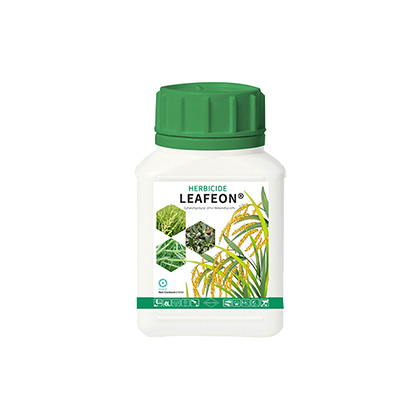
LEAFEON® Cyhalofop-butyl 10%+Metamifop 10% 20% EC Herbicide
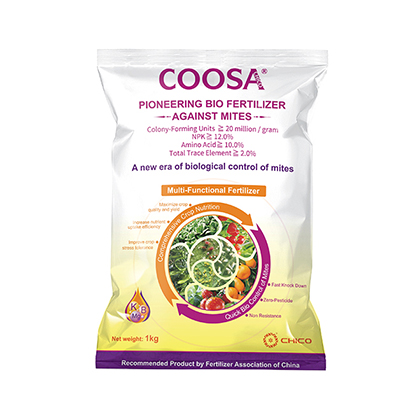
COOSA® -Bio Amino Acid Fertilizer Against Mites
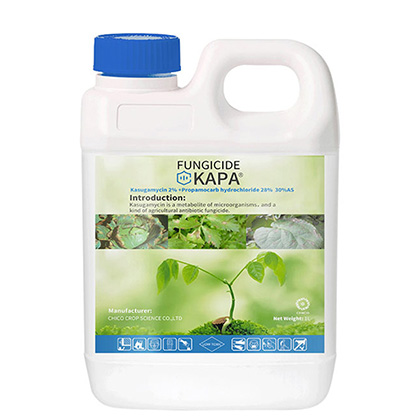
KAPA® Kasugamycin 2%+Propamocarb Hydrochloride 28% 30% AS Fungicide
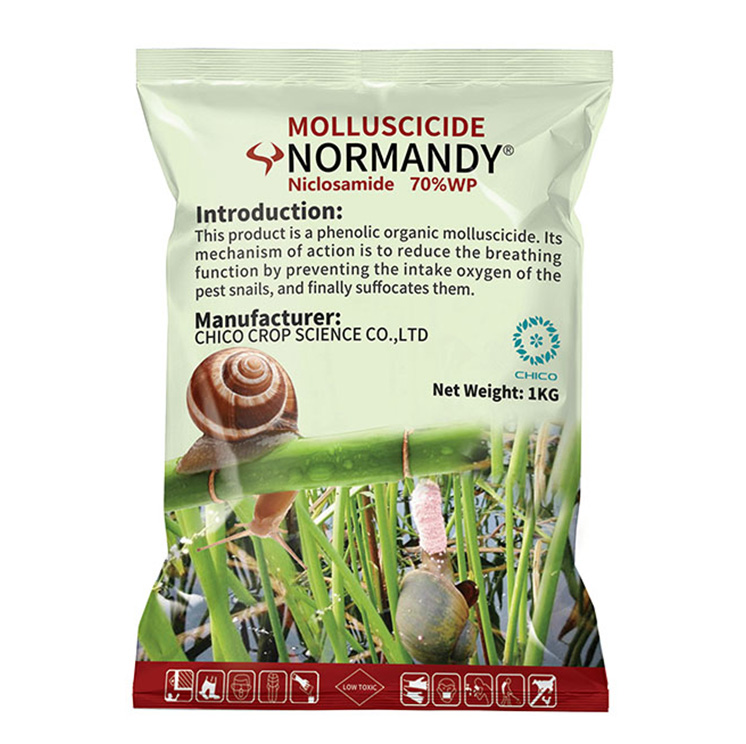
NORMANDY® Niclosamide 70%WP Insecticide
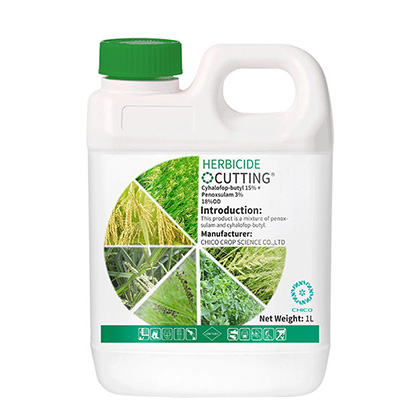
CUTTING® Cyhalofop-butyl 15%+Penoxsulam 3% 18% OD Herbicide
BIO EXTRA® Brassinolide + Bio Organic Fertilizer
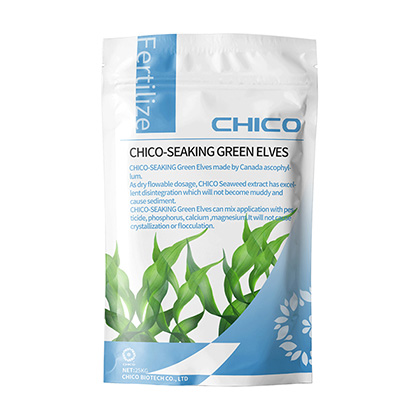
CHICO SEAKING® Green Elves Seaweed Fertilizer Powder Organic Fertilizer
Other Argo Chemical News
-
 Feb.23.2023 BlogSeaweed Fertilizer: Giving Crops Blue Seafood
 -

-
-
-

-
