



How to Choose the Right Agriculture Insecticide for Different Crops and Pest Types?
Mar.29.2026
Table of Content
[Hide]
Choosing the right agriculture insecticide depends on accurately identifying the pest species, understanding its life cycle, selecting the appropriate mode of action, and matching the product type to the crop and environmental conditions. The correct choice ensures effective pest control, reduces unnecessary applications, and helps maintain crop health and yield stability.
Farmers today face a wide range of insect pressures across different crops, climates, and production systems. At the same time, the variety of available insecticide products has expanded significantly, offering multiple modes of action, formulations, and application strategies. While this diversity provides flexibility, it also makes product selection more complex.
Making the right decision is not simply about choosing a strong product. It requires aligning pest behavior, crop sensitivity, and environmental conditions with the most suitable insect control strategy.
Why Proper Insecticide Selection Matters
Selecting an inappropriate insecticide can lead to poor pest control, increased costs, and even crop damage.
Ineffective Pest Control
Different pests respond differently to insecticides. Using a mismatched product may result in:
Low mortality rates
Continued feeding damage
Rapid pest population recovery
This often leads to repeated applications without achieving effective control.
Increased Resistance Risk
Over-reliance on a single type of chemical insecticide can accelerate resistance development in pest populations. Once resistance builds, previously effective insecticide products may no longer work.
Crop Sensitivity and Safety
Certain crops may be sensitive to specific formulations, especially during early growth stages or flowering periods. Proper selection ensures crop safety while maintaining effectiveness.
Key Factors to Consider When Choosing Agriculture Insecticide
Effective insect control starts with understanding the field situation.
Pest Identification
The first and most important step is identifying the pest species accurately. Common categories include:
Chewing insects (caterpillars, beetles)
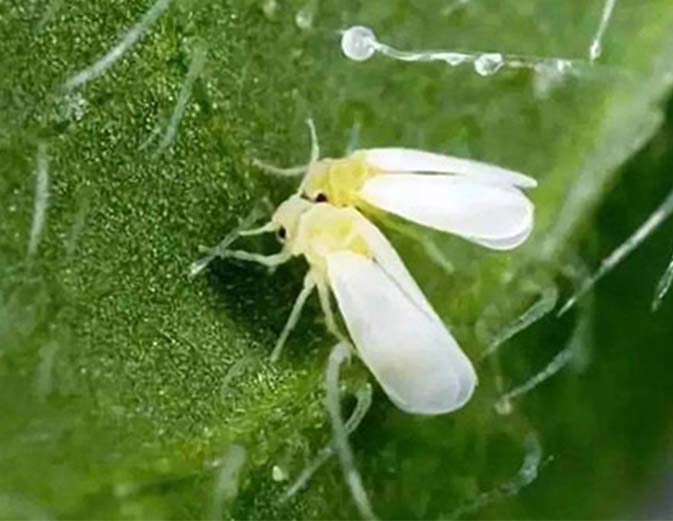
Sucking insects (aphids, whiteflies)
Boring insects (stem borers)
Soil-dwelling pests
Each group requires a different control approach. For example, sucking insects are often better managed with systemic agriculture insecticide products, while chewing insects respond well to ingestion-based solutions.
Pest Life Cycle Stage
Insecticides are often most effective at specific life stages:
Eggs
Larvae or nymphs
Adult insects
Targeting early stages usually improves control efficiency and reduces crop damage.
Crop Type and Growth Stage
Different crops have different vulnerability windows:
Leafy vegetables are sensitive during early growth
Fruit crops are most vulnerable during flowering and fruit set
Cereals require protection during tillering and grain filling
Matching insecticide products to crop stage ensures optimal protection.
Environmental Conditions
Temperature, rainfall, and humidity influence both pest activity and product performance.
High rainfall may reduce residual effectiveness
High temperatures may accelerate pest reproduction
Humidity can influence pest outbreaks
Selecting the right formulation ensures consistent performance under local conditions.
Comparing Different Types of Insecticide Products
Understanding how different insecticide products work is essential for making informed decisions.
Contact vs Systemic Insecticides
Contact insecticides act on direct exposure. They are useful for:
Immediate pest knockdown
Surface-feeding insects
Early-stage infestations
Systemic insecticides are absorbed by the plant and transported internally. They are more effective for:
Hidden pests
Sap-sucking insects
Long-lasting protection
Choosing between these depends on pest location and feeding behavior.
Broad-Spectrum vs Selective Insecticides
Broad-spectrum insecticide products target a wide range of insects. They are useful in situations with mixed pest populations.
Selective insecticides focus on specific pests and are often preferred when:
Beneficial insects need to be preserved
Targeted pest control is required
Integrated pest management programs are in place
Chemical Insecticide vs Biological Approaches
Chemical insecticide solutions provide fast and reliable control, especially during severe infestations.
Biological-based approaches may offer longer-term ecological balance but often act more slowly.
In many agricultural systems, chemical insecticide products remain essential for ensuring immediate protection, especially during high pest pressure periods.
Matching Insecticide Products to Pest Behavior
Different insects interact with crops in different ways, which influences product selection.
Sap-Sucking Insects
Examples include aphids, whiteflies, and planthoppers. These pests feed on plant fluids and often hide on the underside of leaves.
Systemic agriculture insecticide products are typically more effective because they reach pests through plant tissues.
Leaf-Chewing Insects
Caterpillars and beetles consume plant leaves directly.
Ingestion-based insecticide products are well-suited for these pests because they act when insects feed on treated foliage.
Stem and Root Borers
These pests remain inside plant tissues, making them difficult to reach with contact treatments.
Systemic insecticides provide better control by moving within the plant.
Application Strategy and Timing
Even the best insecticide product will not perform effectively if applied incorrectly.
Early Intervention
Applying insecticides at the early stage of infestation prevents population buildup and reduces overall damage.
Correct Dosage and Coverage
Uniform spray coverage ensures that insecticide products reach target pests. Under-dosing may reduce effectiveness, while over-dosing can increase costs and risk.
Rotation of Modes of Action
Rotating different insecticide types helps prevent resistance development and maintains long-term effectiveness.
Integrating Insecticides into Crop Management Systems
Modern agriculture increasingly relies on integrated approaches rather than single-solution strategies.
Monitoring and Threshold-Based Application
Regular field scouting helps determine when pest populations reach economic thresholds. This prevents unnecessary insecticide applications.
Compatibility with Other Inputs
Insecticide products are often used alongside fertilizers, fungicides, or growth regulators within broader agrochemicals products systems. Ensuring compatibility avoids negative interactions.
Supporting Sustainable Practices
Responsible insecticide use includes:
Avoiding over-application
Targeting specific pests
Preserving beneficial organisms
This approach supports long-term agricultural sustainability.
Common Mistakes When Selecting Insecticides
Choosing Based Only on Price
Lower-cost products may not always provide effective control. Performance and suitability should be the primary considerations.
Ignoring Pest Life Stage
Applying insecticides at the wrong stage reduces effectiveness and increases application frequency.
Overusing a Single Product
Repeated use of the same chemical insecticide increases resistance risk and reduces long-term control efficiency.
FAQs About Choosing Agriculture Insecticide
How do I know which insecticide to use?
Identify the pest species, understand its life cycle, and select an insecticide product that matches its behavior and feeding pattern.
Are systemic insecticides better than contact ones?
Not necessarily. Each has specific advantages depending on pest type and crop conditions.
Can I mix different insecticide products?
Some products are compatible, but mixing should always follow technical guidelines.
How often should I rotate insecticides?
Rotation depends on pest pressure and crop cycle but is essential for resistance management.
Do all insecticide products work the same way?
No. They differ in mode of action, target pests, and duration of effectiveness.
Conclusion
Choosing the right agriculture insecticide is a critical decision that directly impacts crop health, yield stability, and production efficiency. With a wide range of insecticide products available, understanding pest biology, crop requirements, and environmental conditions is essential.
By selecting appropriate insecticide types, applying them at the correct time, and integrating them into broader crop management strategies, growers can achieve effective pest control while maintaining long-term sustainability.
References
Food and Agriculture Organization (FAO). Pest and Pesticide Management Guidelines.
https://www.fao.org/agriculture/crops/thematic-sitemap/theme/pests/en/
United States Environmental Protection Agency (EPA). Insecticide Types and Uses.
https://www.epa.gov/pesticides
United States Department of Agriculture (USDA). Integrated Pest Management Principles.
https://www.usda.gov/
National Pesticide Information Center (NPIC). Choosing Pesticides Safely.
http://npic.orst.edu/
International Centre of Insect Physiology and Ecology (ICIPE). Pest Control Strategies.
https://www.icipe.org/
References
Related Agrochemical Products

LUFENCO® Lufenuron 5% + Chlorantraniliprole 5 % SC Insecticide
CYPA® Cymoxanil 14%+Propamocarb 14% 28% WP Fungicide

PROBETA® Propoxur 6% +Beta-cypermethrin 4% SC Insecticide
CLIMASHIELD® - Exclusive Bio-Stimulant to Boost Immunity and Enhance Stress Resistance
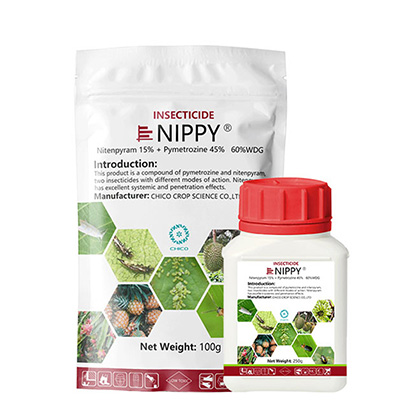
NIPPY® Nitenpyram 20%+Pymetrozine 60% 80%WP Insecticide

CHLOROS® Chlorantraniliprole 10% + Chlorfenapyr 20 % SC Insecticide
GA PROMOTER® Gibberellic Acid 10%TB, 20%SP Plant Growth Regulator
CHICO AMICA® Amino Acid TE Mixed Organic Fertilizer